Thermal bath rituals: mindful self-care across Britain
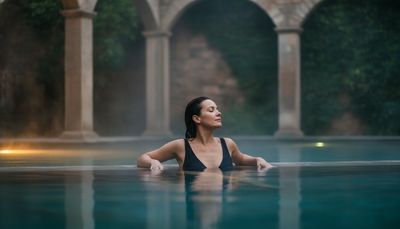
Lesezeit: 9 Minuten
Britain's thermal springs have drawn weary travellers since Roman soldiers first lowered themselves into Bath's steaming waters in 60 CE. Today, these ancient sites offer something modern life rarely provides: permission to slow down. Thermal bath rituals combine mineral-rich water, deliberate movement and conscious breathing into a practice that leaves you genuinely restored.
Whether you're planning a solo wellness retreat or considering travel companionship arrangements, understanding proper bathing traditions transforms a simple soak into profound self-care. Britain's thermal venues range from Georgian splendour to minimalist Scandinavian design, each with distinct rituals worth mastering.
Why thermal bath rituals matter for mindful self-care
Thermal bathing differs fundamentally from ordinary swimming or spa visits. The water temperature (typically 33-40°C) triggers physiological responses that reduce cortisol by approximately 25% after just 20 minutes, according to research from the European Journal of Applied Physiology. This isn't passive relaxation but active restoration through heat therapy, mineral absorption and intentional stillness.
British thermal baths contain dissolved minerals including calcium, magnesium and sulphate that absorb through skin during prolonged immersion. Bath's Thermae Bath Spa sources water from the same geothermal aquifer the Romans used, delivering 1.3 million litres daily at a constant 46°C before cooling for bathers.
Mindful self-care requires creating space between stimulus and response. Thermal environments naturally enforce this by limiting distractions and demanding present-moment awareness as you adjust to temperature shifts and buoyancy changes.
Britain's finest natural thermal springs and their unique rituals
Thermae Bath Spa, Bath
Britain's only natural thermal spa features four main bathing areas across two buildings. The New Royal Bath includes the open-air rooftop pool where temperatures hover around 33.5°C year-round. Visit during weekday mornings (opening at 9:00) to avoid crowds and secure space along the eastern edge, where views stretch across Bath Abbey and the Somerset hills.
The Cross Bath, housed in a restored 1784 building, offers a more intimate experience with just 10-15 bathers allowed simultaneously. Water temperature reaches 36.5°C, ideal for extended 45-minute sessions practising alternate nostril breathing or body scanning meditation.
Stobo Castle Health Spa, Scottish Borders
While not geothermally heated, Stobo follows traditional hydrotherapy rituals developed at European kurorts. Their Japanese Onsen Experience replicates authentic bathing sequences: rinse shower, hot pool (40°C) for 15 minutes, cold plunge (12°C) for 30 seconds, rest period, repeat twice. This contrast bathing improves circulation and activates the parasympathetic nervous system.
Book their Silent Spa evenings on Thursdays from 18:00-21:00, when conversation is prohibited throughout the facility. This mirrors traditional monastery bathing practices and deepens meditative states during your soak.
The Gainsborough Bath Spa, Bath
This hotel taps directly into Bath's geothermal springs, offering the city's only privately accessed thermal water outside Thermae. Their Spa Village replicates Roman bathing progression: tepidarium (warm room, 37°C), caldarium (hot room, 40°C), frigidarium (cold plunge, 15°C). Following this sequence for 90 minutes allows full thermal therapy benefits without overstaying in any single temperature zone.
Solo travellers appreciate the individual treatment rooms overlooking the spring source, where you can arrange longer sessions without typical spa time pressures. Understanding safe travel boundaries becomes particularly relevant when booking wellness retreats through companionship arrangements, ensuring both parties understand expectations around shared versus private spa time.
Practising mindful thermal bath rituals properly
Effective thermal bathing follows specific timing and technique. These aren't arbitrary spa rules but protocols developed across centuries of therapeutic practice.
Pre-bathing preparation ritual
Arrive hydrated but avoid heavy meals within 90 minutes of bathing. Thermal immersion redirects blood flow to the skin's surface, reducing digestive capacity and potentially causing discomfort. Shower thoroughly before entering communal pools, spending at least two minutes rinsing hair and body. This practice, standard in Nordic and Japanese bathing culture, maintains water quality and demonstrates respect for shared space.
Remove all jewellery, particularly silver, which tarnishes in sulphurous mineral water. Store valuables in provided lockers rather than poolside, as steam affects electronic devices within 20-30 minutes.
The three-temperature progression
Begin with warm water (33-35°C) for 10-12 minutes, allowing your body to adjust gradually. Move to hotter pools (37-40°C) for 15-20 minutes, then finish with brief cold exposure (12-15°C) for 30-60 seconds. This sequence, recommended by the UK Thermal Baths Association, maximises cardiovascular benefits whilst minimising stress on the body.
Exit hot water slowly, sitting upright for 30 seconds before standing to prevent dizziness from rapid blood pressure changes. Drink 200-300ml water between temperature zones to replace fluid lost through perspiration.
Breath awareness during thermal immersion
Use thermal bathing to deepen breathing practice. Hot water naturally slows respiration from typical resting rates of 12-16 breaths per minute to 8-10 breaths per minute. Count inhalations and exhalations, aiming for a 1:2 ratio (inhale for four counts, exhale for eight). This activates vagal tone and enhances the relaxation response already triggered by heat.
Notice physical sensations without judgment: skin tingling, muscle softening, heart rate changes, buoyancy shifts. This somatic awareness forms the foundation of embodied mindfulness impossible to achieve during busy daily routines.
Thermal bathing for solo travellers and travel companions
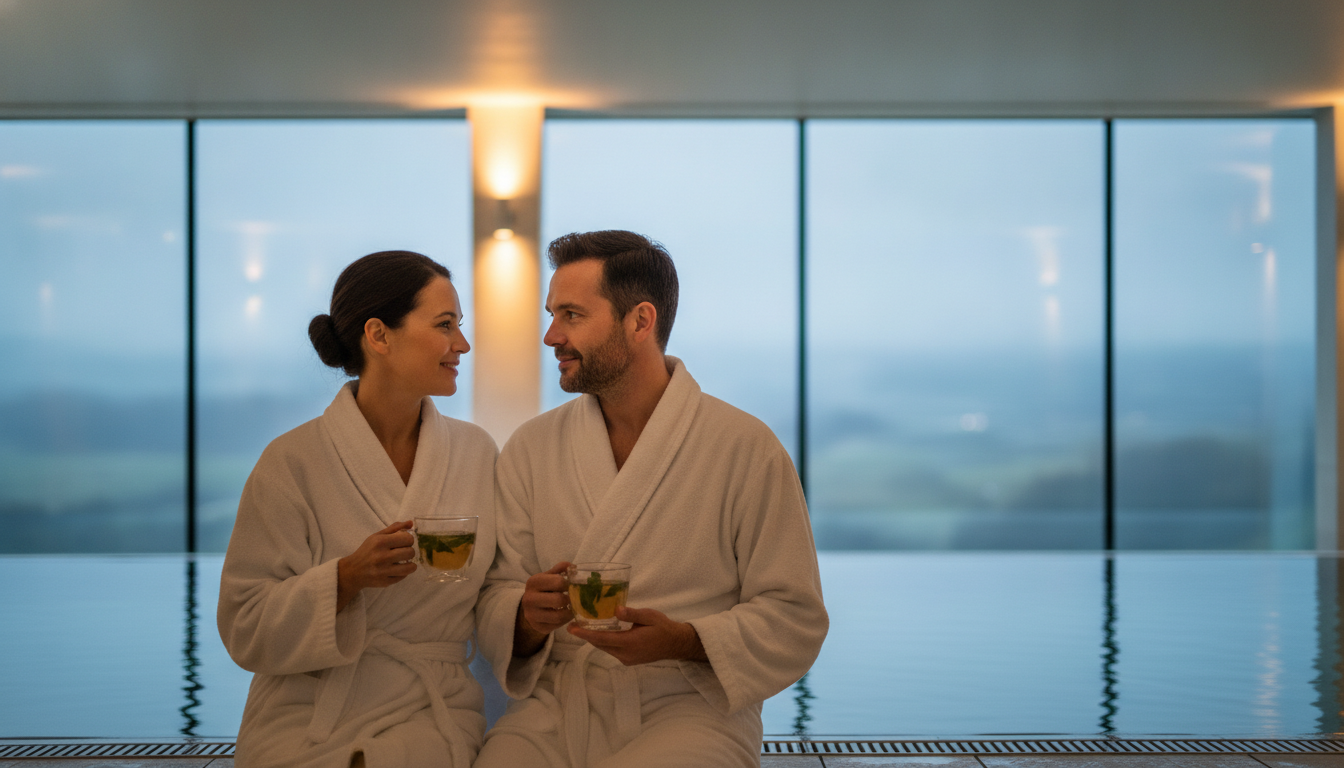
Wellness retreats Britain offers attract both solo visitors seeking restoration and those travelling with companions. Each approach requires different considerations for maximising thermal bath rituals.
Solo thermal bathing provides uninterrupted self-reflection time. Book mid-week treatments when facilities operate at 40-50% capacity, allowing you to claim quieter pool sections. Bring a small waterproof journal to floating pools, documenting insights that surface during extended soaking sessions. Many practitioners report thermal bathing facilitates breakthrough thinking on persistent problems.
Travelling with a companion introduces shared wellness experiences that deepen connections. Respect silence during actual immersion, reserving conversation for rest periods between temperature zones. Understanding proper spa etiquette for couples ensures you both benefit from thermal rituals without disturbing other guests or creating awkward situations.
For those exploring travel companion arrangements, thermal spa visits offer low-pressure environments for building trust early in connections. Unlike dinner dates requiring constant conversation, thermal bathing permits comfortable silence punctuated by brief, meaningful exchanges.
Essential items for your thermal bathing experience
Proper preparation enhances your thermal bath ritual significantly. Pack these specific items to maximise comfort and mindfulness:
- Microfibre hair turban that stays secure during movement between pools without requiring readjustment
- Reef-safe mineral sunscreen (SPF 30 minimum) for outdoor thermal pools, as UV reflection off water intensifies at higher altitudes
- Electrolyte tablets or coconut water for post-bathing rehydration, replacing minerals lost through extended heat exposure
- Slip-resistant water shoes for navigating wet stone surrounds safely, particularly at historic venues with original Roman paving
- Lightweight cotton robe that breathes during rest periods rather than synthetic materials that trap heat uncomfortably
Most British thermal venues provide towels and robes, but bringing your own ensures consistent quality and avoids carrying damp items home. Choose dark colours that won't show mineral staining from sulphurous waters.
Seasonal considerations for thermal bath rituals
Britain's thermal springs offer year-round access, but each season creates distinct experiences worth planning around.
Winter bathing (December-February) provides the most dramatic temperature contrasts, with outdoor pools steaming beneath frost-covered stones. Thermae's rooftop pool becomes particularly atmospheric during light snowfall, though arrive before 10:00 as word spreads quickly on such days. Knowing how to approach packing light for seasonal trips helps when combining thermal spa visits with broader winter wellness retreats.
Spring and autumn (March-May, September-November) offer moderate temperatures and fewer tourists. Book treatments during these shoulder seasons for better availability and quieter bathing environments conducive to deeper meditation practice.
Summer thermal bathing requires adjusting protocols slightly. Reduce hot pool time to 12-15 minutes rather than 20, as ambient temperatures already stress thermoregulation. Schedule morning sessions before 11:00 or evenings after 18:00 to avoid peak heat and crowds.
Extending thermal rituals beyond the bathhouse
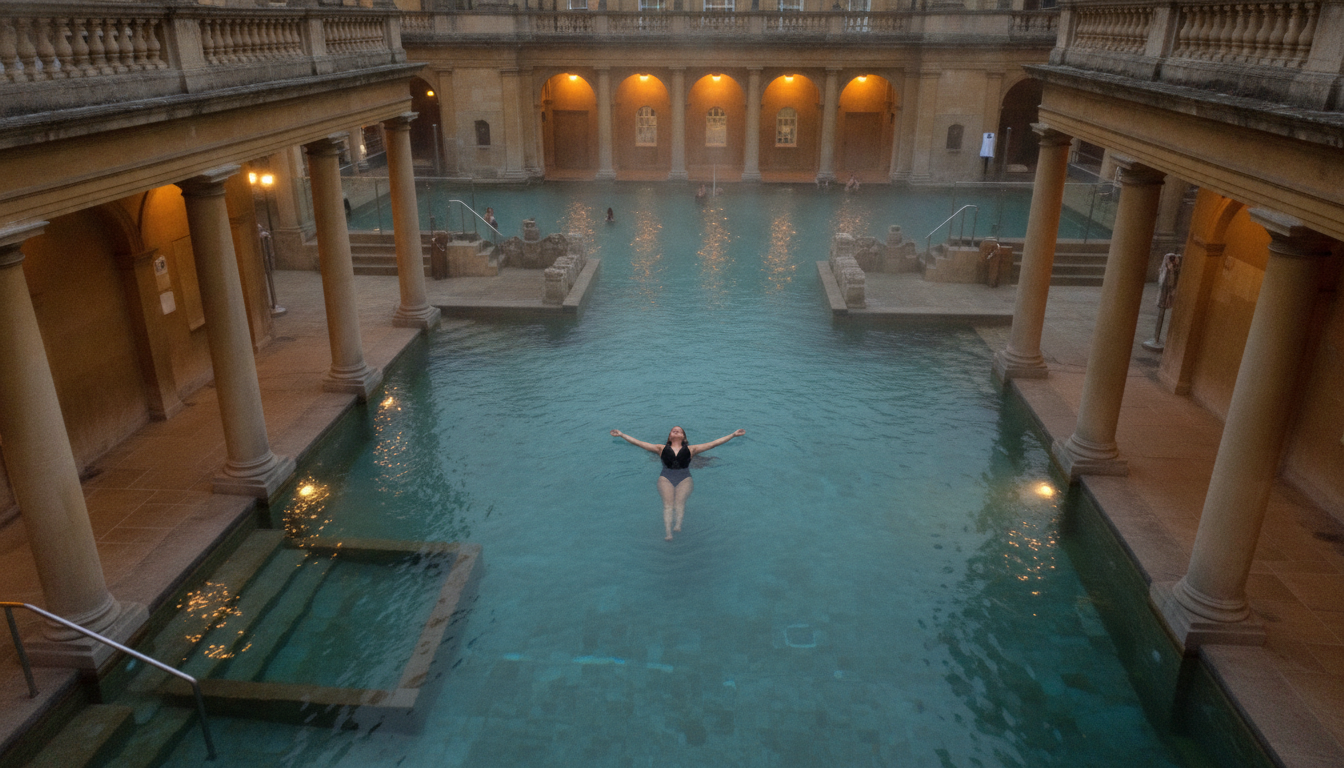
Effective thermal bath rituals don't end when you leave the water. Post-bathing integration determines how long benefits persist.
Allow 20-30 minutes of quiet rest in a relaxation room immediately after your final temperature cycle. Your body continues adjusting for 45-60 minutes post-immersion, and rushing this phase diminishes therapeutic effects. Most facilities provide heated loungers or quiet rooms specifically for this integration period.
Avoid alcohol for at least two hours after thermal bathing. Your blood vessels remain dilated from heat exposure, accelerating alcohol absorption and increasing intoxication risk. Choose herbal teas or mineral water instead, continuing hydration begun during bathing.
Schedule nothing demanding for at least three hours post-bathing. Thermal therapy induces a mild meditative state that persists well after leaving the water. Driving immediately after extended hot bathing reduces reaction times comparable to moderate sleep deprivation, according to studies from the International Journal of Aquatic Research and Education.
Frequently asked questions
How long should I stay in thermal bath water during each session?
Spend 15-20 minutes maximum in hot thermal water (37-40°C) per cycle, completing two to three cycles with rest breaks between. Extended single sessions beyond 30 minutes risk dehydration and overheating rather than providing additional benefits.
What makes British thermal baths different from regular heated pools?
British thermal baths source naturally heated geothermal water containing dissolved minerals like calcium, magnesium and sulphate that absorb through skin during bathing. Regular pools use artificially heated, chemically treated water without therapeutic mineral content or the consistent temperatures thermal springs maintain year-round.
Can thermal bath rituals help with specific health conditions?
Research published in the BMC Complementary Medicine journal indicates thermal bathing may benefit mild anxiety, muscular tension and sleep quality when practised regularly over 8-12 weeks. However, consult your doctor before thermal bathing if you have cardiovascular conditions, pregnancy or uncontrolled blood pressure, as heat therapy affects circulation significantly.
When is the best time to visit thermal baths for maximum mindfulness?
Weekday mornings between 9:00-11:00 offer the quietest periods at most British thermal venues, with 50-60% fewer visitors than weekend afternoons. Early sessions allow longer uninterrupted soaking and better access to preferred pool positions for meditation practice.
Should I eat before visiting thermal baths?
Consume a light meal 90-120 minutes before thermal bathing, avoiding heavy proteins or large portions that require extended digestion. Heat redirects blood flow to your skin's surface, reducing digestive capacity and potentially causing discomfort if you bathe on a full stomach.
Conclusion
Thermal bath rituals offer accessible mindful self-care that goes far deeper than conventional spa treatments. Britain's natural hot springs and thoughtfully designed thermal venues provide environments where restoration becomes unavoidable once you surrender to proper bathing protocols. Whether you visit Bath's Roman-era springs or Scotland's contemporary wellness centres, following traditional temperature progressions, breath awareness techniques and post-bathing integration transforms simple soaking into profound practice.
Solo travellers find thermal bathing creates space for insights that surface only in sustained stillness. Those exploring travel companion arrangements discover these ancient rituals build authentic connections through shared vulnerability and quiet presence. Start with a single thermal bath ritual at one of Britain's established venues, following the specific timing and temperature guidance outlined here. Notice how your body and mind respond differently than during ordinary relaxation attempts. Book your first thermal bathing experience this month and begin integrating these ancient wellness practices into your modern self-care routine.