Packing light for winter sun and ski weeks: Smart guide
Lesezeit: 11 Minuten
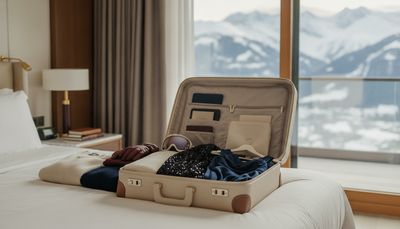
One carryon bag for both Courchevel's powder and Marbella's January sunshine sounds impossible until you crack the code. Most travellers panic and haul two separate wardrobes, but packing light for multi-climate trips becomes straightforward when you build around versatile layers and strategic colour choices that transition seamlessly between alpine slopes and Mediterranean terraces.
The modern approach to seasonal companion trips demands efficiency without sacrificing style. Whether you're planning a week skiing in the Alps followed by winter sun in Andalucía, or alternating between mountain chalets and coastal retreats, mastering capsule wardrobe travel principles saves baggage fees and eliminates the stress of dragging multiple suitcases through European airports.
Why packing light transforms multi-climate travel
Airlines charge £50-£70 for checked bags on most European routes, according to Which? Travel. Beyond cost savings, packing light means navigating cobblestone streets in Verbier or tight hotel corridors becomes effortless. You avoid waiting at baggage carousels and eliminate the risk of lost luggage disrupting your carefully planned itinerary.
For companion travellers, arriving with a single elegant bag signals sophistication and travel experience. It demonstrates you've mastered the art of efficient luxury, a quality appreciated during penthouse stays where space may be shared. No one wants to unpack chaos across a suite that cost £800 per night.
Research from the Global Business Travel Association shows travellers carrying only hand luggage save an average 47 minutes per journey. That's nearly an hour more for après-ski cocktails or beachfront dining rather than wrestling with oversized cases.
Building your base capsule wardrobe for contrasting climates
Start with five core pieces in black, navy, or charcoal grey. These neutrals work equally well for ski week essentials and winter sun destinations without looking dull or repetitive when photographed against snowy peaks or palm-lined promenades.
Select one excellent merino wool base layer from brands like Icebreaker or Smartwool. The 200-weight Oasis style retails around £75 and functions both as thermal protection at Zermatt (where January temperatures average minus 7°C) and as a lightweight long-sleeve top in Tenerife's 21°C winter climate. Merino naturally regulates temperature and resists odours, essential when moving between activities without constant laundry access.
Add two pairs of versatile trousers: slim-fit dark jeans that pass dress codes at mountain restaurants, and technical trousers with four-way stretch. The Lululemon ABC Pant or similar styles transition from hiking trails to hotel bars without looking obviously athletic. These cost approximately £128 but eliminate needing separate casual and smart options.
Strategic layering pieces that work everywhere
Pack one lightweight down jacket compressible to fist-size, such as the Uniqlo Ultra Light Down (£70), which stuffs into its own pocket. This provides core warmth for early morning ski lifts and cool Mediterranean evenings without consuming luggage space. Choose a neutral colour that coordinates with everything else you've packed.
Include one cashmere or merino jumper in a complementary shade. A quality piece from COS or Arket (£89-£120) elevates any outfit for dinner reservations whilst providing genuine warmth. The same jumper works over a base layer for mountain excursions or alone with trousers for coastal evenings.
One weatherproof shell jacket with breathable membrane technology serves double duty. Gore-Tex options from Patagonia or Arc'teryx (£250-£400) protect against Alpine snow and unexpected winter rain in southern Europe. The investment pays off across multiple trips and climate zones.
Footwear strategy for snow and sun
Shoes consume precious luggage space, so limit yourself to three pairs maximum. Wear your bulkiest option during travel to save packing room.
Bring waterproof hiking boots suitable for both winter mountain walks and exploring coastal towns. Brands like Scarpa or Salomon offer styles around £140 that don't scream "technical gear" when paired with dark jeans for casual dining. These serve as your primary daytime footwear across both climates.
Pack one pair of minimalist leather trainers in white or grey from Common Projects, Veja, or similar (£150-£300). These work for beach promenades, city exploration, and smart-casual restaurants. Their versatility justifies the luggage space.
For ski-specific needs, many resorts offer rental boot storage programmes where equipment stays mountain-side between visits. Méribel's Ski Set charges €25 per season for this service according to their 2024 pricing, eliminating the need to transport heavy boots between locations.
The third pair depends on your specific plans
If your winter sun segment includes upscale dining, add leather loafers or Chelsea boots in brown or black. These weigh less than traditional dress shoes whilst meeting most restaurant requirements. Skip them if your itinerary focuses primarily on outdoor activities and casual settings.
Ski week essentials that don't bulk your bag
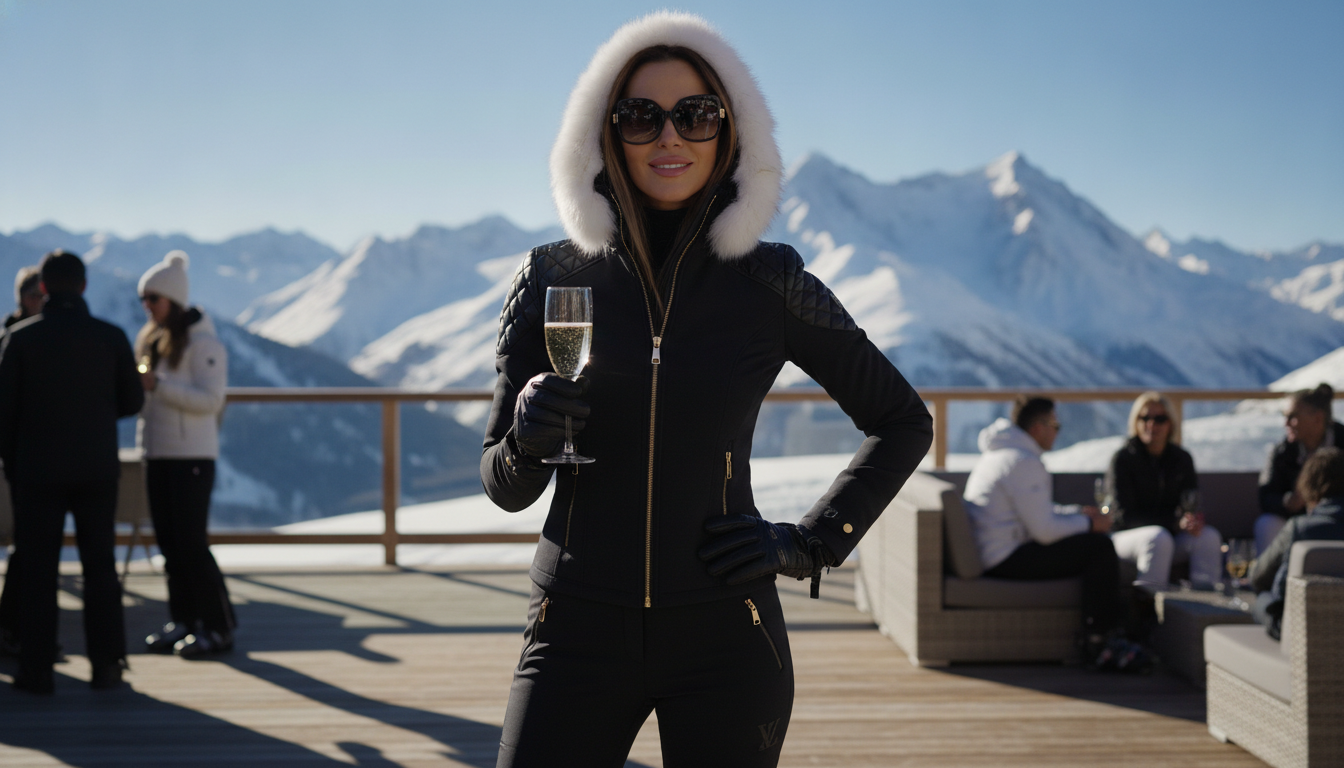
Rent technical ski gear at your destination rather than travelling with it. Services like Skiset or Intersport operate across major European resorts, offering current-season equipment for €35-€50 daily. This includes skis, poles, and helmets fitted by professionals who adjust everything to your ability level.
Do pack your own ski goggles and gloves for hygiene and perfect fit. Quality goggles from Oakley or Smith cost £120-£180 but pack flat and last years. Merino-lined leather gloves from Hestra (£90-£150) provide warmth without excessive bulk and work equally well for winter coastal walks.
Bring a neck gaiter or buff rather than a bulky scarf. These multifunctional tubes (£15-£25) serve as neck warmers, face masks, or headbands depending on conditions. They compress to nearly nothing in your bag.
Winter sun travel essentials in minimal space
Two swimwear pieces suffice for beach destinations: one dries whilst you wear the other. Quick-dry fabrics from Vilebrequin or Orlebar Brown (men's) or Melissa Odabash (women's) pack into tiny pouches and maintain shape better than cheaper alternatives.
Replace bulky beach towels with a Turkish cotton or microfibre travel towel. These compress to roughly 15cm × 10cm, dry within hours, and absorb effectively. Dock & Bay produces popular versions for £20-£30 that many luxury wellness retreats now stock.
Sunscreen and after-sun products consume space and may not meet airline liquid restrictions. Purchase these at your winter sun destination where local pharmacies stock high-SPF European brands like La Roche-Posay or Bioderma, often cheaper than UK prices.
Accessories that earn their space
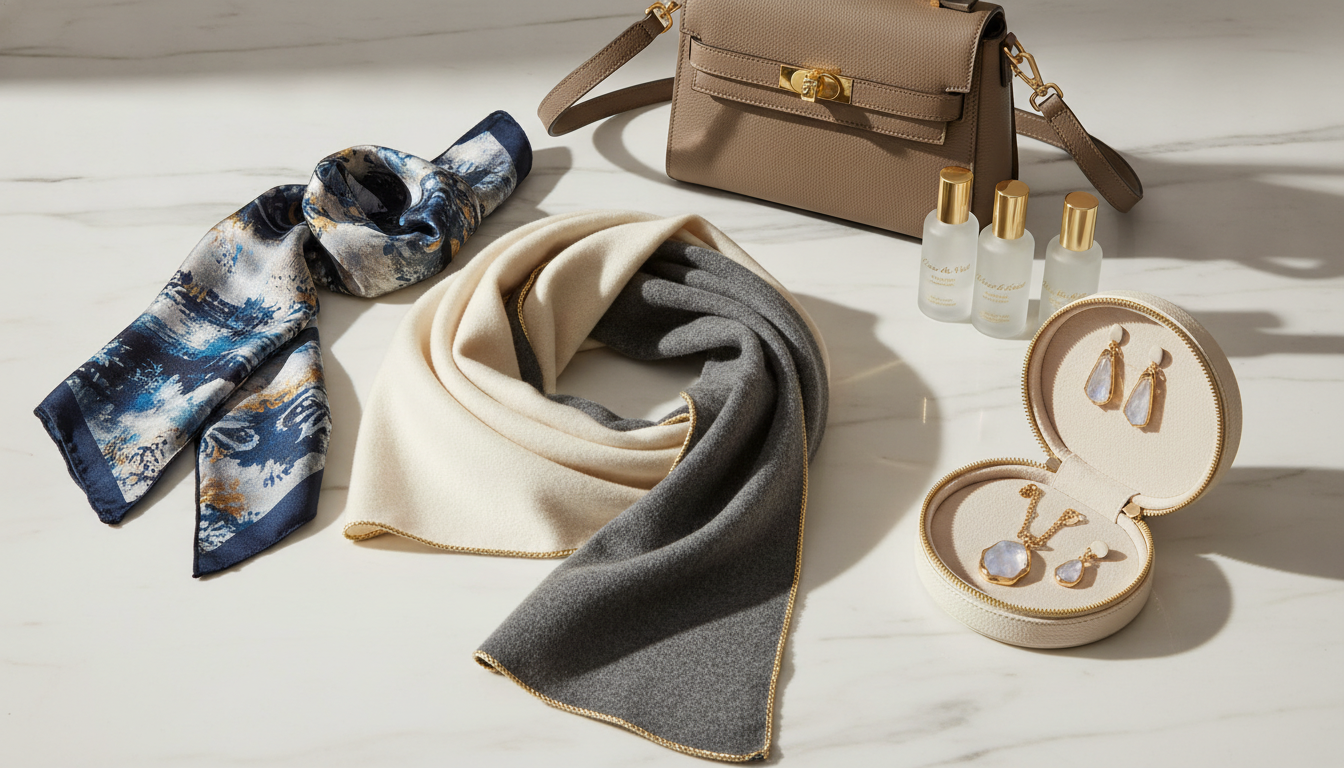
One versatile scarf in silk or lightweight wool adds colour variation to neutral outfits and provides warmth on flights. Hermès or similar investment pieces (£300+) elevate simple combinations for upscale venues whilst occupying negligible luggage space.
Pack minimal jewellery in coordinating metals: one watch, one chain or bracelet, one pair of earrings. These create visual interest without requiring multiple options for different outfits.
Toiletries and practical items for dual climates
Decant products into 50ml or 100ml containers that comply with aviation security. Muji and The Body Shop sell affordable leak-proof bottles specifically designed for travel. This approach lets you bring preferred brands without checking luggage.
Moisturiser and lip balm become crucial in both climates: Alpine air dries skin dramatically, whilst winter Mediterranean sun still causes photodamage. CeraVe Moisturising Cream works across conditions and comes in TSA-friendly sizes.
Medications should remain in original packaging with prescriptions if necessary. Altitude can affect how your body processes certain medicines, so consult your GP before multi-climate trips involving mountain destinations above 2,000 metres.
Your essential packing light checklist
- Five neutral base pieces: merino layers, versatile trousers, quality jumper, weatherproof jacket, packable down
- Three footwear options: hiking boots, leather trainers, optional smart shoes for formal dining
- Two swimwear items and one compact travel towel for beach segments
- Ski-specific accessories only: goggles, gloves, neck gaiter (rent everything else)
- Minimal toiletries in regulation-size containers, purchasing bulky items at destination
- One elegant scarf and limited jewellery for outfit variation
Organisation systems that maximise carryon space
Packing cubes from Eagle Creek or similar brands (£25-£40 for a set) compress clothing whilst keeping items separated by climate or activity. Assign one cube for ski essentials, another for beach items, and a third for shared pieces. This system makes repacking between destinations faster and prevents the dreaded exploded suitcase scenario.
Roll clothes rather than folding them. According to research published in the International Journal of Production Economics, rolling reduces wrinkles by 23% compared to folding whilst optimising space. Technical fabrics in modern travel wardrobes respond particularly well to this method.
Place heaviest items closest to the wheels in upright luggage or nearest your back in backpack-style bags. This distribution improves manoeuvrability through airports and cobblestone streets common in Alpine villages and Mediterranean old towns.
Digital organisation prevents overpacking
Photograph your planned outfits before packing. This visual inventory prevents last-minute additions and confirms everything coordinates. Apps like PackPoint generate customised lists based on destination weather, trip duration, and planned activities, removing guesswork from the process.
Create a digital folder with reservation confirmations, equipment rental details, and contact information for luxury accommodation. This eliminates carrying printed documents that clutter bags and get damaged.
Common mistakes that sabotage light packing
Avoid packing "just in case" items that rarely get used. Statistical analysis of frequent travellers shows 47% of packed items remain unworn during trips. Trust that European destinations stock whatever you might forget, often at comparable or lower prices than the UK.
Don't pack different outfits for each day. The capsule wardrobe travel philosophy means creating multiple combinations from fewer pieces. Six items can generate fifteen different looks when properly coordinated.
Resist bringing multiple books or magazines. Download reading material to a tablet or e-reader instead. A Kindle weighs 205g compared to a typical hardback's 600g, saving significant weight whilst offering thousands of title options.
Laundry solutions for extended multi-climate trips
Most quality hotels offer same-day or overnight laundry services, though prices can reach £8-£12 per item. For companion travel where you're splitting accommodation costs anyway, this becomes reasonable for refreshing key pieces midway through longer journeys.
Bring concentrated laundry sheets like those from Tru Earth (£12 for 32 washes). These weigh practically nothing and let you hand-wash items in hotel sinks. Technical fabrics dry overnight on heated towel rails standard in European bathrooms.
Time your washing around climate transitions. Do laundry at the end of your ski segment before moving to winter sun, allowing you to pack clean clothes and eliminating odours from thermal layers.
Adapting your approach for companion travel dynamics
When travelling with a companion met through platforms specialising in upscale arrangements, packing light demonstrates consideration for shared space and travel logistics. Discuss luggage plans beforehand to coordinate arrival styles and avoid one person arriving with a single carryon whilst the other hauls three cases.
If your companion handles accommodation costs, offering to manage efficient packing for both parties adds value beyond financial contributions. Organising shared toiletries or coordinating outfit colours for photos shows thoughtfulness appreciated during luxury getaways.
Remember that packing light also facilitates spontaneity. When you're not weighed down by excessive luggage, extending a Courchevel weekend by two beach days in Nice becomes logistically simple rather than a baggage nightmare.
Frequently asked questions
How do I pack light for ski and beach trips in one bag?
Focus on a neutral capsule wardrobe with technical layers that work across temperatures. Rent bulky ski equipment at your mountain destination and bring only personal items like goggles and gloves. Pack two swimwear items and a compact towel for beach segments. Choose versatile footwear that transitions between climates.
What size bag works for multi-climate trips to winter sun destinations?
A 40-45 litre carryon bag or backpack meets most airline restrictions whilst holding enough for two-week trips alternating between ski weeks and coastal stays. Brands like Osprey Farpoint 40 or Peak Design Travel Backpack maximise organisation within cabin luggage dimensions of 55cm × 40cm × 23cm.
Which fabrics work best for packing light across seasonal companion trips?
Merino wool regulates temperature in both cold and mild climates whilst resisting odours, making it ideal for extended wear. Technical synthetics with four-way stretch dry quickly and pack small. Avoid cotton which absorbs moisture, dries slowly, and provides poor insulation when damp in mountain environments.
Should I pack ski trousers or rent them with other equipment?
Rent ski trousers along with technical outerwear at your resort. Modern rental shops stock current-season gear from brands like Rossignol and Salomon for €15-€25 daily. This eliminates bulky items from your luggage whilst ensuring properly fitted, well-maintained equipment suited to current conditions.
How many pairs of shoes for trips combining alpine slopes and Mediterranean beaches?
Three pairs maximum: waterproof hiking boots worn during travel, minimalist leather trainers for versatility, and optional smart shoes only if your itinerary includes upscale dining requiring formal footwear. Wear your bulkiest pair on the plane to save packing space.
Pack smarter for your next seasonal escape
Mastering packing light for multi-climate trips transforms how you experience winter adventures. The freedom of moving effortlessly between Chamonix's slopes and Marbella's promenades with a single elegant bag elevates your entire journey. You'll spend less time managing luggage and more time enjoying the experiences that make seasonal companion travel so rewarding.
Start building your versatile travel wardrobe now with one quality investment piece each month. By next winter, you'll own a complete capsule collection that handles any combination of destinations without the stress of overpacking or the expense of checked baggage. Your future self navigating Geneva airport with just a carryon will thank you.