Thalassotherapy retreats: seawater healing on UK shores
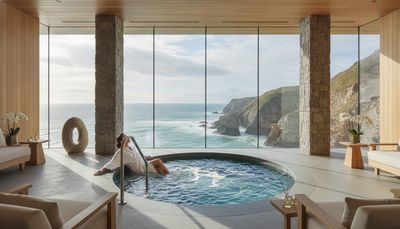
Lesezeit: 9 Minuten
Seawater has healed bodies and minds for centuries, yet few wellness trends feel as overlooked in Britain as thalassotherapy. This ancient practice harnesses marine elements—seawater, algae, mud—to detoxify, relax and restore. For travellers seeking rejuvenation alongside meaningful companionship, thalassotherapy UK retreats offer a compelling blend of science-backed wellness and coastal romance.
Britain's coastline stretches over 19,000 kilometres, yet only a handful of centres deliver authentic marine-based treatments. Unlike generic spa breaks, thalassotherapy uses heated seawater rich in minerals like magnesium and potassium, which penetrate skin more effectively than freshwater. For couples exploring wellness travel together, these retreats create space for genuine connection away from daily pressures.
What makes thalassotherapy different from standard spa treatments
Thalassotherapy UK centres distinguish themselves through clinical rigour. Treatments use natural seawater heated to 33-35°C, a temperature that mirrors body heat and encourages mineral absorption. French physician Dr Louis Bagot pioneered modern thalassotherapy in Roscoff, Brittany, during 1899, establishing protocols still followed today.
Standard spa experiences rely on chlorinated pools and synthetic products. Thalassotherapy requires proximity to clean ocean water, ideally collected 300-600 metres offshore where pollution levels drop significantly. The Scarlet Hotel in Cornwall sources seawater from Mawgan Porth Bay daily, filtering it through ultraviolet purification before heating for hydrotherapy pools and Vichy showers.
Marine algae wraps form another cornerstone treatment. Bladderwrack and kelp contain iodine concentrations up to 500 times higher than land plants, supporting thyroid function and metabolism. When applied warm to skin, these algae release nutrients whilst drawing out toxins through osmosis.
Top thalassotherapy UK destinations worth visiting
The Gailes Hotel near Troon, Scotland, operates one of Britain's few dedicated thalassotherapy centres. Opened in 2004, it pumps seawater directly from the Firth of Clyde into treatment rooms. Couples can book private marine mud chamber sessions, where volcanic ash mixes with seawater create a detoxifying body mask.
Cornwall dominates Britain's coastal wellness scene. Beyond The Scarlet, The Headland Hotel in Newquay offers seaweed baths overlooking Fistral Beach. Their signature treatment combines hand-harvested Fucus serratus with heated Atlantic water, creating a mineral-rich soak that eases joint stiffness and improves circulation.
Further north, Seaham Hall in County Durham pioneered Britain's first dedicated serenity spa in 2002. Its Serenity Sanctuary features an ozone-treated seawater pool maintained at 34°C year-round. The centre sources water from the North Sea, filtering it through sand beds before guest use. For companions seeking a wellness-focused travel date, this combination of privacy and therapeutic benefit creates ideal conditions.
Health benefits backed by research
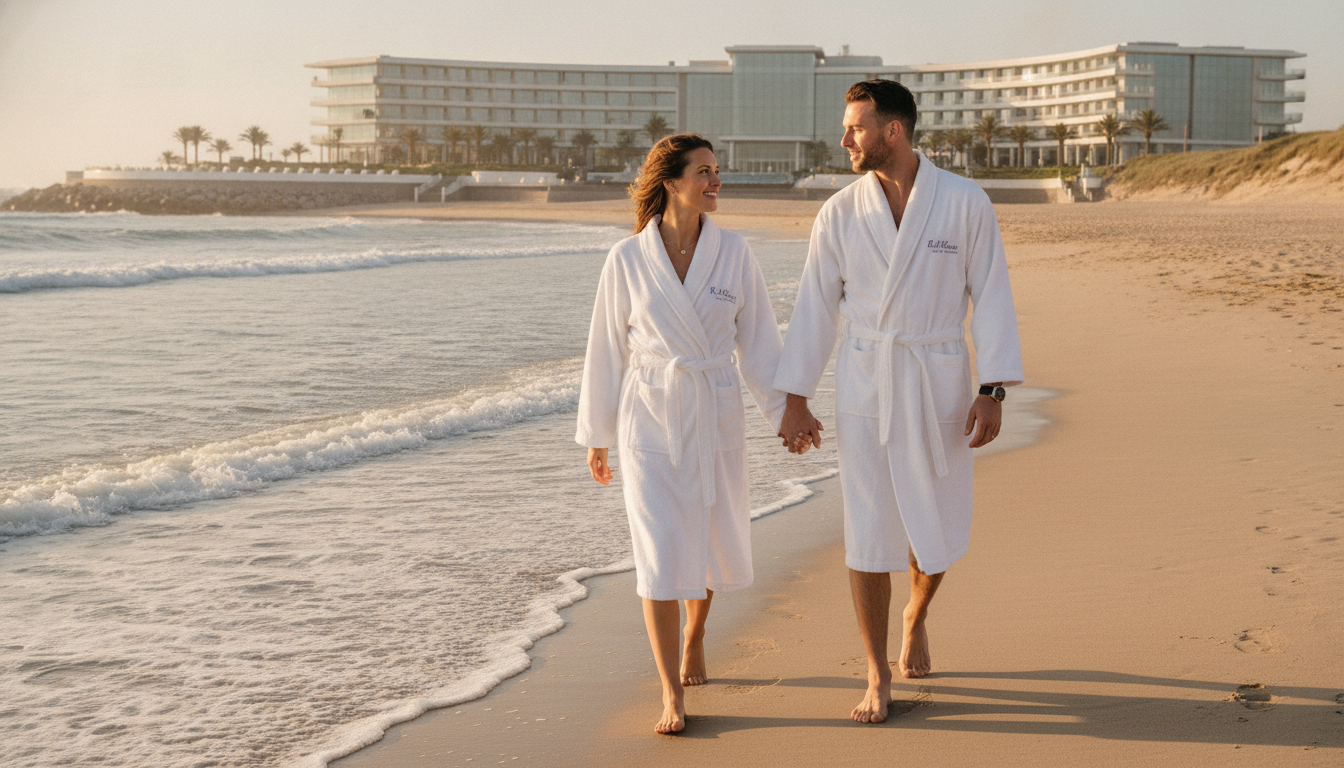
Seawater therapy offers measurable physiological improvements. A 2016 study published in the International Journal of Biometeorology found that thalassotherapy reduced cortisol levels by 23% after just five consecutive treatment days. Participants reported better sleep quality and reduced anxiety symptoms.
Magnesium absorption through skin remains one of thalassotherapy's most valuable aspects. Ocean water contains approximately 1,290 milligrams of magnesium per litre, compared to freshwater's negligible amounts. This mineral supports over 300 enzymatic reactions in the human body, including muscle relaxation and stress hormone regulation.
Respiratory conditions also respond well to marine air and seawater inhalation. The National Health Service recognises sea air's benefits for asthma sufferers, citing negative ions and salt particles that help clear airways. Several thalassotherapy UK centres incorporate heated seawater mist rooms where guests inhale mineral-rich vapour.
Why companions choose coastal wellness together
Wellness retreats create natural opportunities for deeper conversations and shared vulnerability. Unlike activity-heavy city breaks, thalassotherapy encourages slowing down. Treatment schedules typically span 3-5 days, with 2-3 sessions daily punctuated by rest periods.
This rhythm suits companions building trust and intimacy. Between treatments, couples can walk coastal paths, share quiet meals, or simply relax in mineral pools without forced itineraries. The emphasis on self-care rather than sightseeing shifts focus toward mutual wellbeing.
Privacy matters equally. Most thalassotherapy UK centres offer couple's treatment rooms where partners receive simultaneous therapies. This shared experience—whether side-by-side seaweed wraps or partnered aquatic massages—builds memories distinct from everyday life.
Planning your thalassotherapy retreat effectively
Book treatments well ahead, particularly during May through September when demand peaks. Most centres require 6-8 weeks' advance notice for comprehensive programmes. The Scarlet Hotel's three-night "Marine Rejuvenation" package costs £895 per person and includes accommodation, meals, and six treatments.
Choose your season strategically. Winter visits offer lower rates and quieter facilities, though grey seas lack summer's visual appeal. Spring brings milder weather without peak-season crowds, making April and May optimal for companions prioritising both cost and ambience.
Pack accordingly for coastal conditions. Even luxury retreats involve outdoor movement between buildings, so bring weatherproof layers. Most centres provide robes and slippers, but consider bringing your own swimwear that fits well for hydrotherapy sessions.
Combining thalassotherapy with broader wellness practices
Many visitors pair marine treatments with complementary therapies. The Gailes Hotel integrates reflexology and aromatherapy into multi-day programmes, recognising that stress relief requires multiple approaches. Their "Ocean Wellness Week" costs £1,450 and layers thalassotherapy with meditation classes and nutritional consultations.
Consider exploring thermal bath rituals elsewhere in Britain to compare mineral water therapies. Bath's Thermae Spa uses naturally heated spring water rather than seawater, offering a different mineral profile rich in sulphates and calcium.
For couples new to wellness travel, starting with a two-night taster break works better than week-long commitments. This shorter duration lets you gauge whether the slower pace suits both partners before investing in extended stays. Understanding spa etiquette for couples beforehand prevents awkward moments around shared spaces and treatment protocols.
What to expect during treatments
Initial consultations precede treatment programmes at reputable thalassotherapy UK centres. Therapists assess health history, current medications, and wellness goals. This screening identifies contraindications like pregnancy, severe hypertension, or recent surgery that might preclude certain marine therapies.
Jet showers deliver targeted hydrotherapy through high-pressure seawater streams. At Seaham Hall, therapists direct these jets along lymphatic pathways to encourage fluid drainage and reduce swelling. Sessions last 10-15 minutes and feel invigorating rather than relaxing.
Algae wraps involve full-body application of warmed seaweed paste, followed by thermal blanket cocooning for 20-30 minutes. Expect earthy ocean scents and slight tingling as minerals activate on skin. Some guests find the sensation claustrophobic initially, so communicate comfort levels with your therapist.
Realistic expectations about results
Thalassotherapy delivers cumulative benefits rather than instant transformations. Most practitioners recommend minimum three-day programmes to notice changes in skin texture, sleep quality, or stress levels. Sustained improvements require regular treatments over months.
Skin conditions like psoriasis and eczema often improve after marine therapy cycles. However, flare-ups may worsen briefly before healing, as the body eliminates toxins. Discuss any chronic conditions with medical professionals before booking.
Weight loss claims around thalassotherapy lack solid evidence. Whilst treatments support metabolism and fluid balance, they cannot replace proper nutrition and exercise. View marine wellness as complementary self-care rather than a standalone solution.
Costs and value considerations
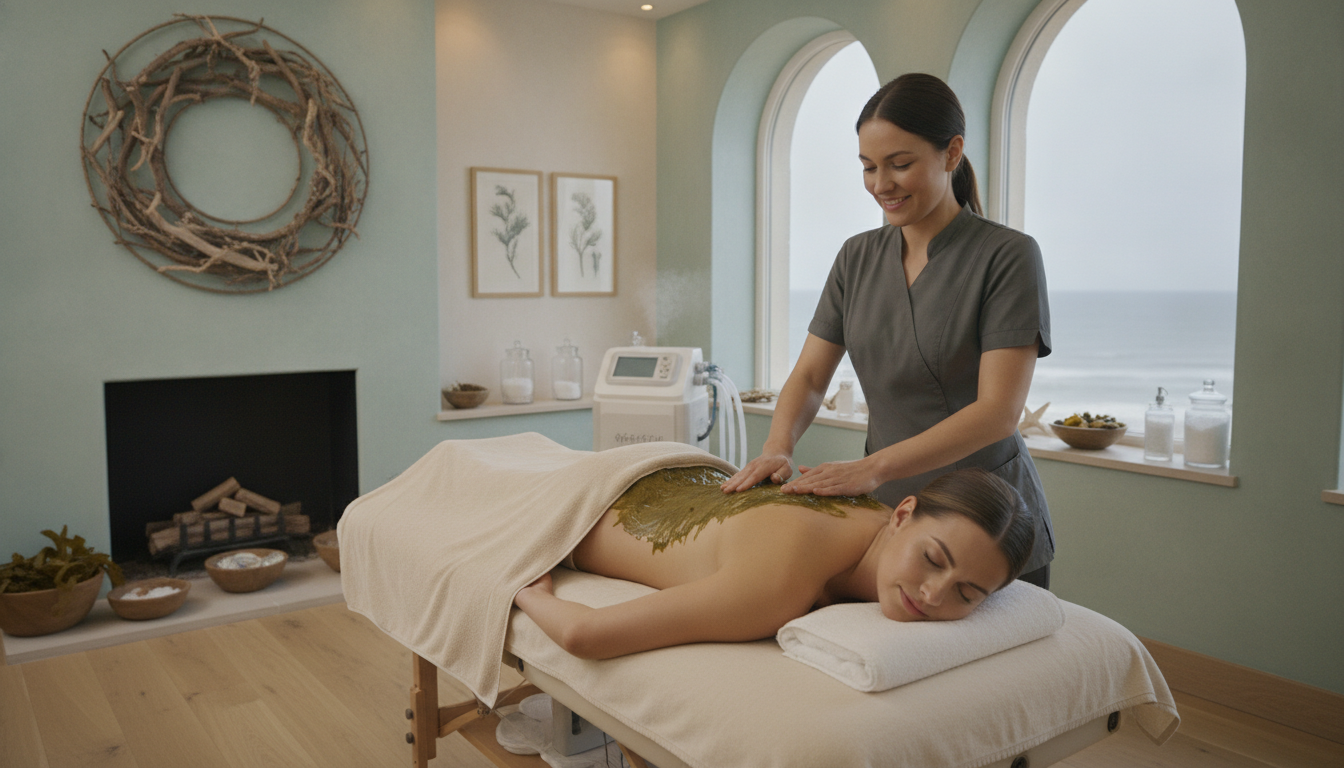
Authentic thalassotherapy UK experiences start around £150 per person for a single treatment day. Multi-day residential packages range from £600-£2,000 depending on accommodation standard and treatment frequency. These prices reflect the infrastructure costs of seawater collection, heating, and purification.
Compare carefully against standard spa breaks offering "marine-inspired" treatments. Generic centres using packaged seaweed products and tap water cost less but deliver different results. True thalassotherapy requires genuine seawater, which limits where centres can operate.
Consider value beyond treatments themselves. Coastal locations provide mental health benefits through natural light exposure, sea air, and horizon views. For companions, this environment encourages presence and conversation that busy city hotels rarely facilitate.
Frequently asked questions
How does thalassotherapy UK differ from continental European centres?
Britain's thalassotherapy centres remain smaller and less clinically focused than French or German counterparts, where treatments often require medical prescriptions and insurance coverage. UK facilities emphasise relaxation and preventive wellness over therapeutic interventions, making them more accessible for couples seeking rejuvenation rather than medical treatment.
Can thalassotherapy help with specific health conditions?
Research supports thalassotherapy's effectiveness for rheumatic conditions, fibromyalgia, and stress-related disorders. A 2019 study in the Journal of Environmental Research and Public Health found significant pain reduction among arthritis patients after 15 thalassotherapy sessions. Always consult healthcare providers before using marine therapy for medical conditions, as it complements rather than replaces conventional treatment.
What should couples know before booking their first thalassotherapy retreat?
Discuss comfort levels around shared spa spaces and nudity expectations, as some treatment areas require minimal clothing. Book couple's rooms when possible to maintain privacy whilst experiencing treatments together. Arrive with open minds about slower pacing, as rushing between treatments undermines thalassotherapy's restorative purpose.
Are thalassotherapy treatments safe during winter months?
Indoor facilities operate year-round with heated seawater and climate-controlled treatment rooms. Winter visits actually offer advantages, as colder air temperatures create greater contrast with warm marine pools, enhancing circulation benefits. Coastal walks between sessions require appropriate clothing, but treatments themselves maintain consistent conditions regardless of season.
How long do thalassotherapy benefits last after treatment?
Immediate effects like improved skin hydration and reduced muscle tension typically persist 1-2 weeks. Deeper benefits affecting sleep patterns and stress hormone levels may last 4-6 weeks after intensive multi-day programmes. Regular maintenance sessions every 2-3 months help sustain results, though individual responses vary based on lifestyle factors and overall health.
Making thalassotherapy part of your wellness journey
Thalassotherapy UK retreats offer more than temporary relaxation. They provide frameworks for ongoing self-care that companions can integrate into daily life. Post-retreat, many guests adopt habits learned during treatments: magnesium supplementation, daily cold-water exposure, or mindful breathing practices introduced in marine mist rooms.
These coastal wellness experiences also create shared reference points for couples. Years later, partners recall specific moments—floating together in mineral pools, laughing through mud treatments, watching storms from heated spa terraces. Such memories strengthen bonds beyond typical travel snapshots.
Britain's thalassotherapy scene continues growing as wellness tourism expands. New centres planned for Wales and the Scottish Highlands will increase accessibility whilst maintaining the intimate scale that distinguishes UK offerings from massive continental resorts.
For companions seeking meaningful escapes that prioritise wellbeing and connection, thalassotherapy UK retreats deliver distinctive value. The combination of science-backed treatments, dramatic coastal settings, and unhurried pacing creates conditions where relationships deepen naturally. Whether you're exploring possibilities through platforms like MySugardaddy or nurturing established connections, these marine wellness sanctuaries offer restorative spaces away from everyday demands.
Book your thalassotherapy retreat this season. Choose a centre that resonates with both partners, communicate openly about expectations, and embrace the slower rhythm that seawater healing requires. Your body and your relationship will thank you for the investment in genuine restoration.