Dining abroad etiquette: impress on international dates
Lesezeit: 11 Minuten
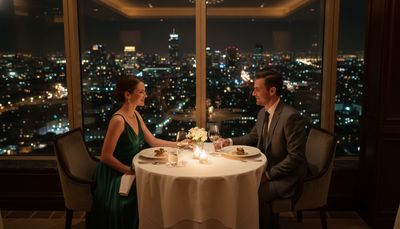
You've booked a table at Le Bernardin in New York or The Ledbury in London for an important dinner with your travel companion. The moment you sit down, every gesture counts. Dining abroad requires more than choosing the right wine; it demands cultural awareness that separates memorable dates from awkward evenings.
International fine dining etiquette varies dramatically across continents. What impresses in Paris might confuse in Tokyo. Understanding these nuances transforms you from a nervous diner into someone who commands respect at any table worldwide.
Why table manners matter in luxury travel relationships
First impressions during travel dating often happen over dinner. According to research published in the Journal of Social Psychology, 65% of people form lasting opinions about companions based on dining behaviour within the first course. Your fork placement or bread-breaking technique speaks volumes before you've shared your first story.
Sophisticated travel companions notice details. They observe how you treat restaurant staff, handle unexpected menu challenges, and adapt to local customs. These moments reveal character more honestly than rehearsed conversation. When dining abroad becomes second nature, you signal experience and cultural intelligence that elevates any relationship.
European fine dining rules you cannot ignore
France maintains strict dining protocols. At three-Michelin-starred establishments like L'Arpège in Paris, never rest your hands below the table. Keep wrists visible on the table edge throughout the meal. Chef Alain Passard's restaurant exemplifies traditional French service where bread never touches your dinner plate; place it directly on the tablecloth to the left.
British restaurants follow different conventions. Thezig-zag eating method remains standard at places like Restaurant Gordon Ramsay in Chelsea. Cut your food with the fork in your left hand and knife in right, then switch the fork to your right hand before eating. Americans find this peculiar, but London's finest establishments expect it.
Italy treats meals as sacred rituals. Never order a cappuccino after 11am at upscale Roman restaurants near Piazza Navona. The Accademia Italiana della Cucina confirms that coffee with milk after morning hours marks you as inexperienced. Finish pasta courses before meat arrives, and resist asking for Parmesan on seafood dishes at Venetian establishments.
Bread basket etiquette across Europe
Break bread with your hands, never cut it with a knife. Tear small, bite-sized pieces throughout the meal. In Germany, this rule applies strictly at Frankfurt's two-Michelin-starred restaurants. Butter only the piece you're about to eat, not the entire portion.
Asian dining customs that impress travel companions
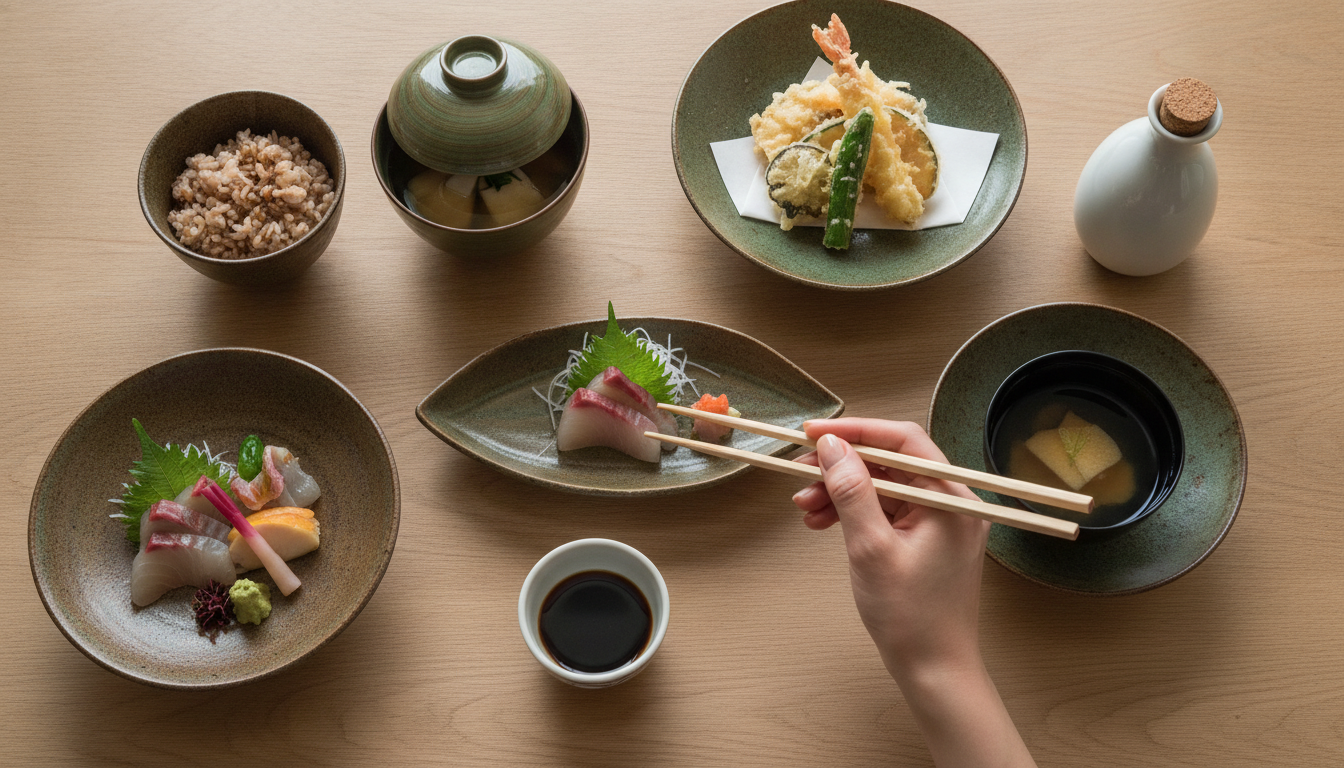
Japan demands precision at kaiseki restaurants. At Kyoto's Kikunoi, never pour soy sauce directly onto rice. Use the small dish provided, and dip only the fish side of sushi, never the rice. Chef Yoshihiro Murata has publicly stated that rice absorbs too much soy sauce, destroying the balance he spent hours creating.
Chopstick placement matters critically. Never stick chopsticks vertically into rice bowls at Tokyo's Sukiyabashi Jiro; this resembles funeral rituals. Rest them on the provided hashioki (chopstick rest) between bites. The Japan National Tourism Organization confirms that crossing chopsticks signals disrespect across all Japanese dining settings.
Chinese banquet etiquette differs from Japanese minimalism. At Hong Kong's Lung King Heen, the host orders for the table and serves guests before themselves. Refuse the first offer politely, accept the second. Turning the lazy Susan away from someone actively serving constitutes a serious breach. Leave some food on communal plates; empty dishes suggest the host didn't provide enough.
Tea ceremony nuances
When served tea at upscale Chinese restaurants, tap two fingers on the table to thank the pourer. This gesture dates to Qing Dynasty emperors travelling incognito. At Singapore's Summer Pavilion, this small acknowledgment demonstrates cultural knowledge that impresses discerning companions.
North American fine dining expectations
United States dining culture blends European influences with relaxed formality. At New York's Eleven Madison Park, courses arrive from the left, staff clears from the right. Keep your napkin on your lap throughout the meal, placing it on your chair only when briefly leaving the table.
American restaurants universally expect 18-22% gratuity. This differs from European inclusive service charges. At Chicago's Alinea, sommelier gratuities add another 5% for wine pairings exceeding £200. Understanding this prevents awkward payment moments that can sour otherwise perfect evenings with travel companions.
Canadian fine dining in cities like Toronto or Vancouver mirrors American customs with British influences. At Langdon Hall near Toronto, expect Commonwealth courtesies combined with North American efficiency. Staff appreciate "please" and "thank you" more than European counterparts might, reflecting Canada's cultural emphasis on politeness.
Wine service protocol across cultures
Never pour your own wine first at French restaurants. Pour for your companion, then yourself. At Château restaurants in Bordeaux, filling glasses more than half-full shows poor breeding. The wine needs room to breathe and release aromatics.
Wine tasting rituals require specific steps. When the sommelier pours a sample at establishments like The French Laundry in California, examine colour, swirl gently, smell, then taste. Approval consists of a simple nod, never theatrical descriptions unless the sommelier engages conversation. According to the Court of Master Sommeliers, 40% of diners over-complicate this process, creating unnecessary awkwardness.
Refusing wine gracefully matters equally. At Dubai's Pierchic, where alcohol service follows specific regulations, simply place your hand over the glass and thank the server. Never turn the glass upside down; this aggressive gesture offends across all cultures.
Cutlery signals that communicate across borders
European and American cutlery language differs significantly. In London, crossing your knife and fork on the plate signals you're resting between bites. Placing them parallel at the 4 o'clock position indicates you've finished. Staff at The Ritz London use only these signals to determine plate clearing timing.
Continental style keeps the fork in your left hand throughout the meal, tines pointing downward. British style switches hands after cutting. Both work internationally, but consistency matters more than choosing sides. Changing methods mid-meal appears indecisive.
Never gesture with cutlery in your hands. At Milan's Cracco, waving your fork while making a point reads as threatening behaviour. Place utensils down completely before animated conversation. This single rule prevents 90% of table manner violations according to Debrett's etiquette guide.
Conversation topics that enhance international dining
Discuss food preparation and ingredient origins enthusiastically. Chefs worldwide appreciate genuine interest in their craft. At Copenhagen's Noma, asking about foraged ingredients from specific Danish forests shows research and respect. This transforms meals into educational experiences that deepen connections with sophisticated companions.
Avoid controversial topics until you've established rapport. Politics, religion, and money discussions wait until after dessert at minimum. The exception involves allowance talks during sugar dating arrangements, which require private settings anyway, never public restaurants.
Share travel stories related to cuisine. Mentioning the street food you discovered in Bangkok last month or the wine region you explored in Argentina creates natural conversation flow. This works particularly well during multi-course meals where silent gaps might otherwise feel uncomfortable.
Common dining mistakes that damage impressions
- Checking your phone during courses signals disrespect that no apology repairs adequately
- Complaining about prices or portions marks you as inexperienced in luxury dining circles
- Snapping fingers or whistling to summon staff offends universally across all cultures
- Applying makeup or grooming at the table violates standards from Sydney to Stockholm
- Discussing dietary restrictions loudly after ordering embarrasses companions and staff equally
Special dietary requirements handled gracefully
Contact restaurants 48 hours before reservations to discuss restrictions. Michelin-starred establishments like The Fat Duck in Bray accommodate most requirements when given advance notice. Chef Heston Blumenthal's team has created dairy-free versions of signature dishes for guests who communicate properly beforehand.
Never announce allergies dramatically when servers present dishes. Quiet, private conversations with the maître d' upon arrival handle these matters professionally. At Barcelona's Tickets, discreet early communication allows the kitchen to modify tasting menus without disrupting other diners' experiences.
Vegetarian and vegan preferences require different approaches across cultures. Tokyo's high-end restaurants struggle more with plant-based requests than Berlin establishments. Research cultural attitudes toward dietary choices before booking to avoid disappointing evenings.
Dress codes and physical presentation
Fine dining abroad demands appropriate attire research. Men need jackets at London's Sketch, but smart casual works at Sydney's Quay. Women's dress standards vary more widely; Parisian restaurants expect elegance, while California venues accept upscale bohemian styles.
Grooming matters as much as clothing. Strong perfumes or colognes interfere with wine and food aromatics at tasting-menu restaurants. The Michelin Guide specifically notes that overpowering scents can diminish the experience for nearby tables. Subtle or no fragrance shows consideration.
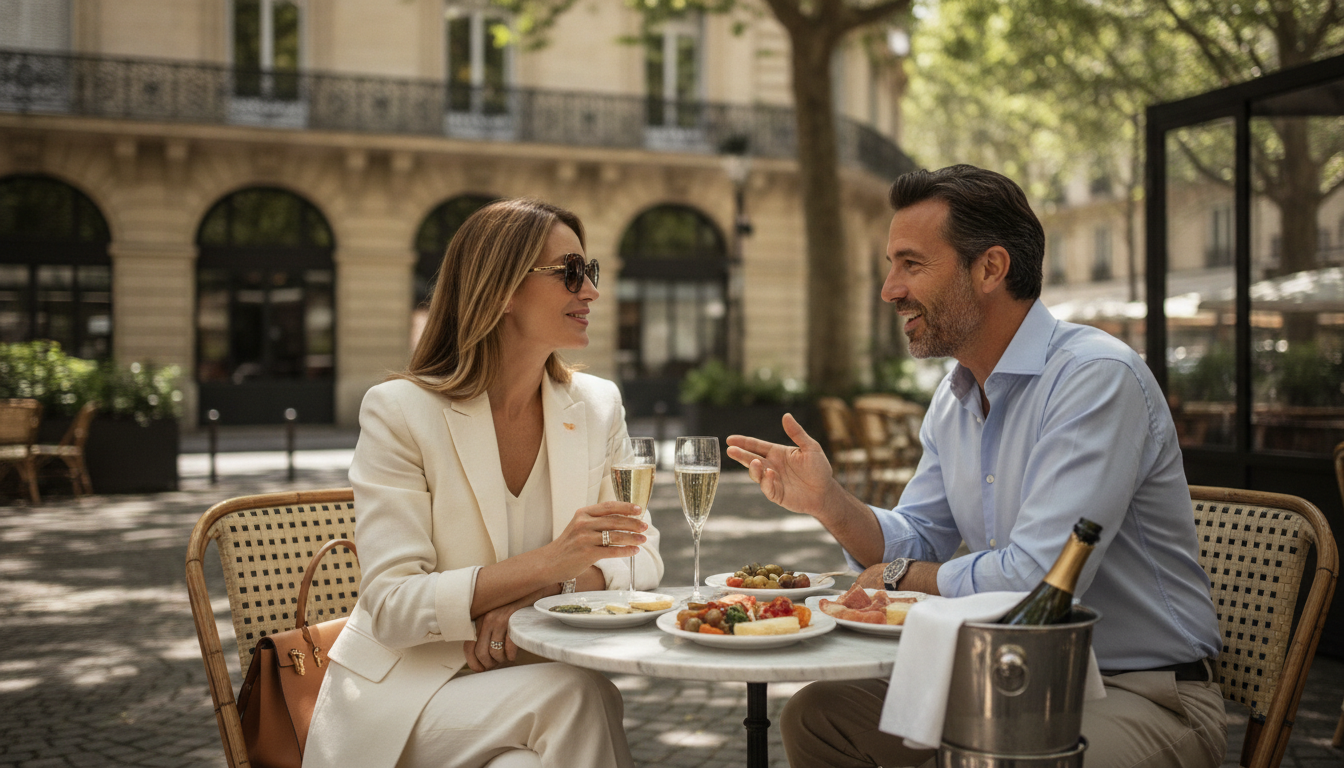
Remove sunglasses and hats upon entering restaurants worldwide. This basic courtesy transcends cultural boundaries. Even in casual-famous Los Angeles, Michelin-starred restaurants like Providence expect guests to remove accessories that hide facial expressions during conversation.
Payment etiquette across international borders
Who pays varies culturally during travel companion arrangements. Traditional European expectations often place payment responsibility on the person who extended the invitation. Modern dynamics, especially within sugar dating contexts, establish financial expectations beforehand through private conversations.
Never argue about bills publicly at restaurant tables. Settle payment questions before arriving or excuse yourself to handle matters privately with staff. At Monaco's Le Louis XV, discrete bill handling maintains the elegant atmosphere Alain Ducasse cultivates. Public payment disputes ruin carefully constructed romantic settings.
Credit card protocols differ internationally. Some Japanese restaurants refuse cards entirely, accepting only cash. Research payment methods before dining to avoid embarrassment. Keep backup payment options always, particularly when dining abroad in unfamiliar cities.
Post-meal etiquette that leaves lasting impressions
Thank the chef personally when appropriate. At smaller establishments or when exceptional experiences warrant it, requesting a brief kitchen visit shows genuine appreciation. Not all restaurants accommodate this, but asking politely never offends. Stockholm's Frantzén particularly welcomes guest interactions with Chef Björn Frantzén during specific service windows.
Write reviews or send thank-you notes after extraordinary meals. This gesture, increasingly rare in our digital age, distinguishes you memorably. Luxury travel companions notice people who take time for gracious acknowledgments. Such habits indicate character that extends beyond a single evening.
Maintain posture and composure until you've completely left the restaurant. The experience ends when you exit the building, not when you finish dessert. Staff remember guests who remain polished throughout, which matters when requesting future reservations at popular establishments.
FAQ: Dining abroad etiquette questions
What should I do if I don't recognize a dish on an international menu?
Ask your server for descriptions confidently. Frame questions as genuine interest rather than ignorance. Say "I'd love to hear more about this preparation" instead of "What is this?" Quality restaurants expect questions and staff enjoy sharing knowledge about their cuisine.
How do I handle unexpected utensils at fine dining establishments abroad?
Work from the outside in toward your plate with each course. Restaurants set tables with utensils in order of use. If confused, observe your companion or neighbouring tables discreetly. Staff will provide new utensils for subsequent courses if you've used something incorrectly.
When is it appropriate to send food back at international restaurants?
Temperature or cooking errors warrant polite returns. Undercooked chicken or cold soup qualify as legitimate concerns. Personal preference about seasoning levels does not. Explain issues quietly to your server, never loudly to your companion. Well-managed restaurants appreciate the opportunity to correct genuine mistakes.
What if my travel companion has completely different table manners?
Lead by example without correcting them publicly. Handle any discussions about etiquette privately later if your relationship warrants such conversations. Remember that cultural backgrounds create different comfort levels with formal dining. Patience and understanding strengthen connections more than criticism ever could.
Should I adjust my dining behaviour based on my companion's experience level?
Adapt to make them comfortable while maintaining proper standards. If they seem nervous about multiple forks, casually mention which one you're using. Share knowledge naturally through conversation rather than instruction. The goal involves creating enjoyable shared experiences, not hosting etiquette examinations.
Creating memorable international dining experiences
Mastering dining abroad etiquette transforms meals into opportunities for deeper connection. Every properly placed napkin, every culturally appropriate gesture builds confidence that radiates beyond the restaurant. These skills prove invaluable whether you're developing jet set dating relationships or simply exploring the world with sophisticated companions.
Practice makes permanent. Start with research before each trip, observe carefully during meals, and reflect afterward on what worked. Cultural intelligence develops through repeated exposure and genuine curiosity. Your willingness to learn and adapt demonstrates respect that transcends any single rule about fork placement or wine service.
The most important element remains authentic presence. Perfect technique means nothing without genuine engagement with your companion and appreciation for the culinary experience. Balance protocol knowledge with spontaneous enjoyment. That combination creates the magnetic confidence that makes you unforgettable at tables worldwide.
Book your next international dining experience with renewed confidence. Research the cultural expectations, prepare appropriately, and approach the evening as an adventure in connection and cuisine. Your travel companion deserves someone who navigates fine dining abroad with both competence and charm. Master these skills, and you'll create extraordinary memories at the world's finest tables.